Share the campaign
Most people don't know 4,198 ft is the state's own line. Send them the link.
Share the petition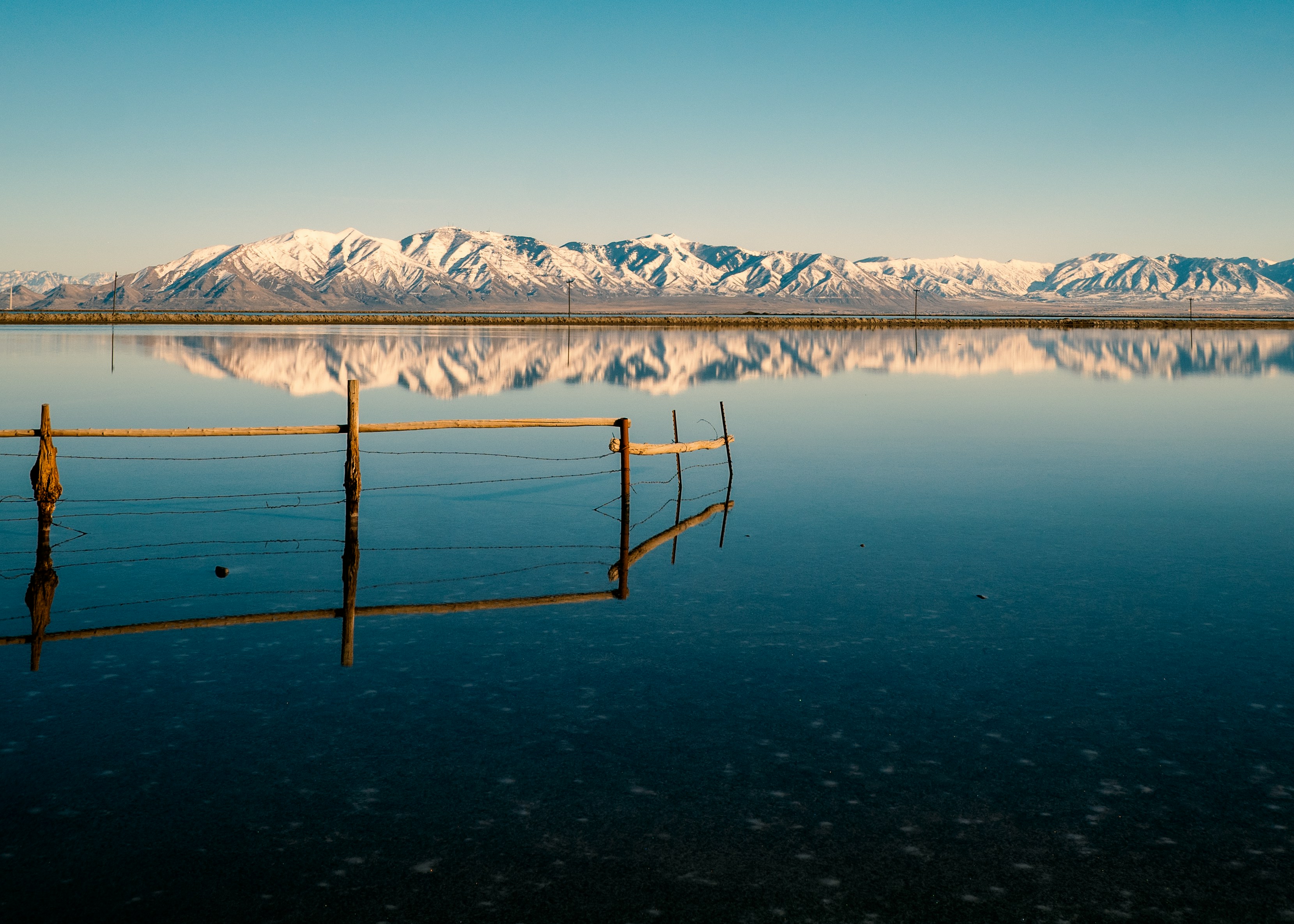
Great Salt Lake is collapsing, and it is taking the Wasatch Front with it. More than half the lakebed is now exposed, and the lake holds roughly a third of the water a healthy lake would. That exposed ground is loose, arsenic-laden sediment sitting upwind of the 2.5 million of us who live here. As the water drops, salinity climbs past what brine shrimp can survive, which cuts the food supply out from under the millions of migratory birds that depend on this stop. Snowpack thins. Ski seasons shorten. Home values, mineral industries, and the economy built around all of it go with them. Almost every major saline lake on earth is shrinking for the same reason ours is, because we divert more water than we return, and not one of them has ever been brought back. Utah can be the first.
We already know what recovery looks like. The state's own minimum healthy level for Great Salt Lake is 4,198 feet above sea level, set by the Great Salt Lake Commissioner's office. The lake has sat below that line for years. The problem is that 4,198 lives in a strategic plan instead of in the law, and a target with no legal force creates no obligation. Nobody is required to reach it. Nobody answers for missing it. That is how the lake keeps falling while the number stays right where it is, agreed to by everyone and binding on no one.
So we are asking the Utah Legislature to fix that in the 2027 session: write 4,198 feet into state law as the minimum healthy elevation for Great Salt Lake, and require a plan and a timeline for reaching it. This asks the state to commit to an outcome, not to any particular water policy. How Utah gets water to the lake is a genuine debate with real tradeoffs, and it should stay one. Whether the state is actually obligated to get there should not. Add your name and tell your legislators that the number they already set belongs in the law.
1 verified signatures — 49 to the next milestone of 50.
Already signed?
Most people don't know 4,198 ft is the state's own line. Send them the link.
Share the petitionA yard sign turns one signature into a whole street of them.
Buy a yard sign(opens in a new tab)Signs, stamps, and templates cost money. A few dollars keeps them moving.
Donate(opens in a new tab)When a saline lake collapses, the harm does not stay at the water's edge. Arsenic-laden dust blows onto the 2.5 million people living downwind, a shrinking flyway pulls the food out from under millions of migrating birds, and a billion-dollar economy loses the water it runs on. What Utah does about Great Salt Lake is felt far past its shore.
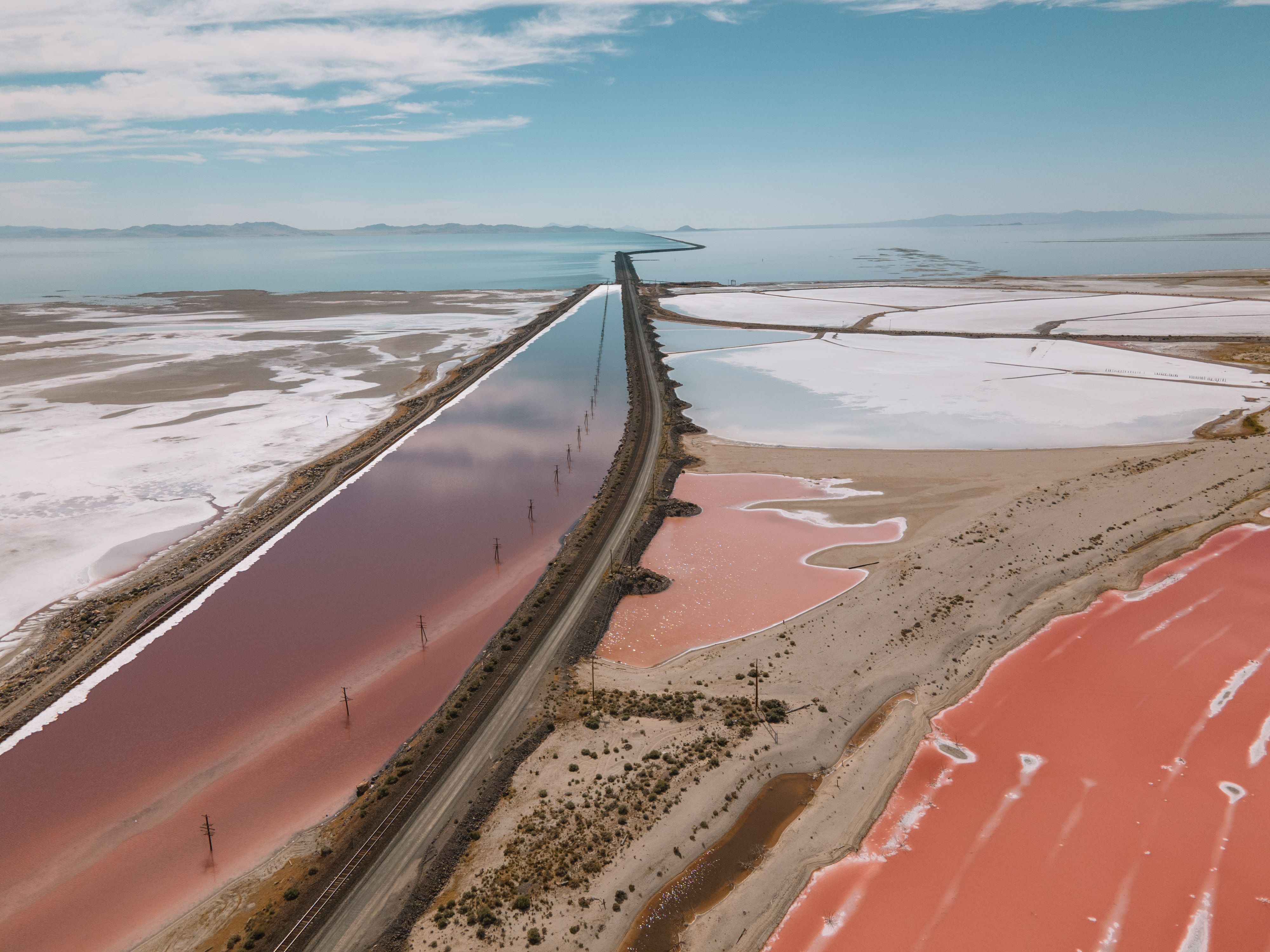
The exposed lakebed holds arsenic and heavy metals. When it blows, it lands on the Wasatch Front, where most Utahns live and breathe.
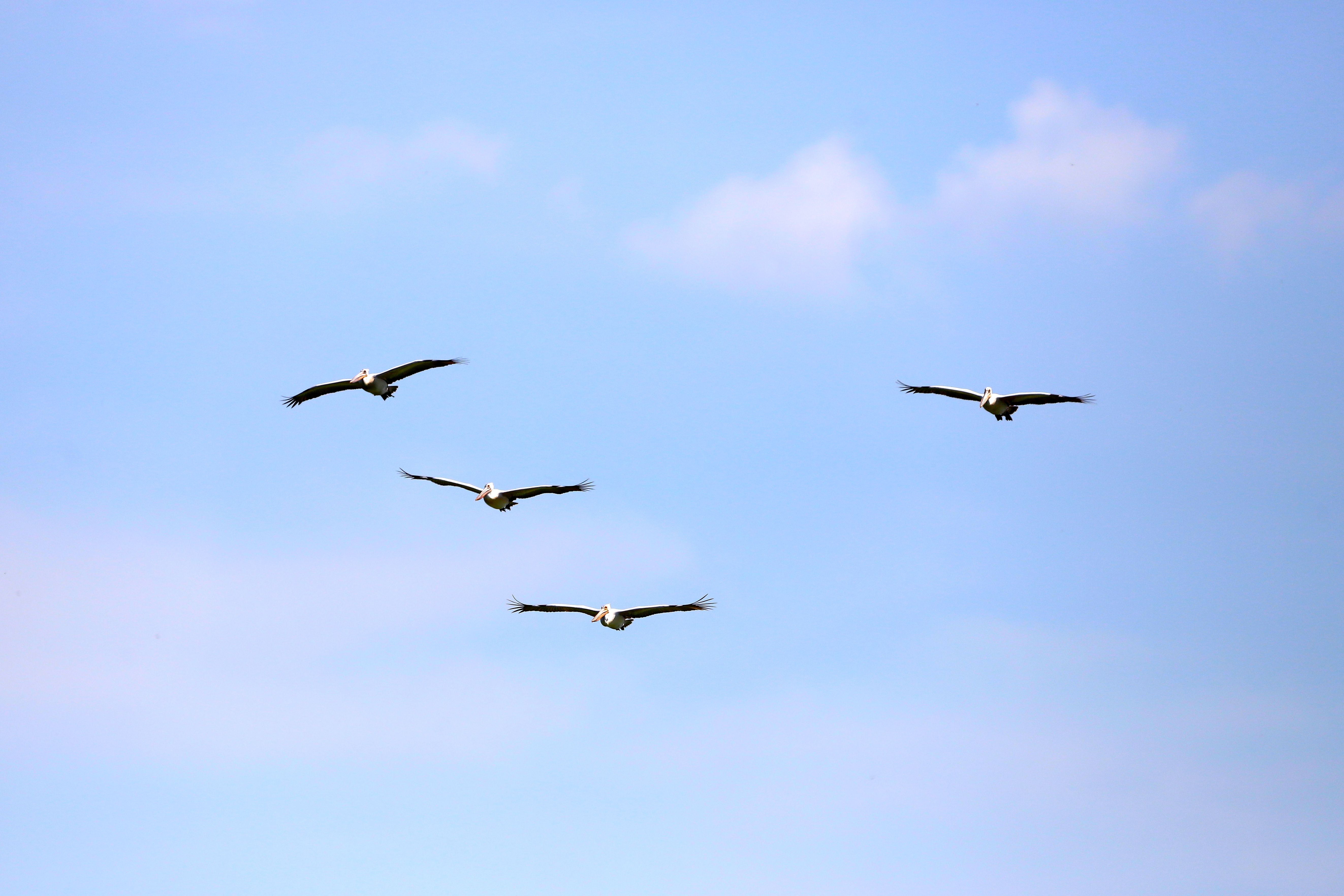
Millions of migratory birds refuel here every year. No lake, no stopover, and the loss ripples across the continent.
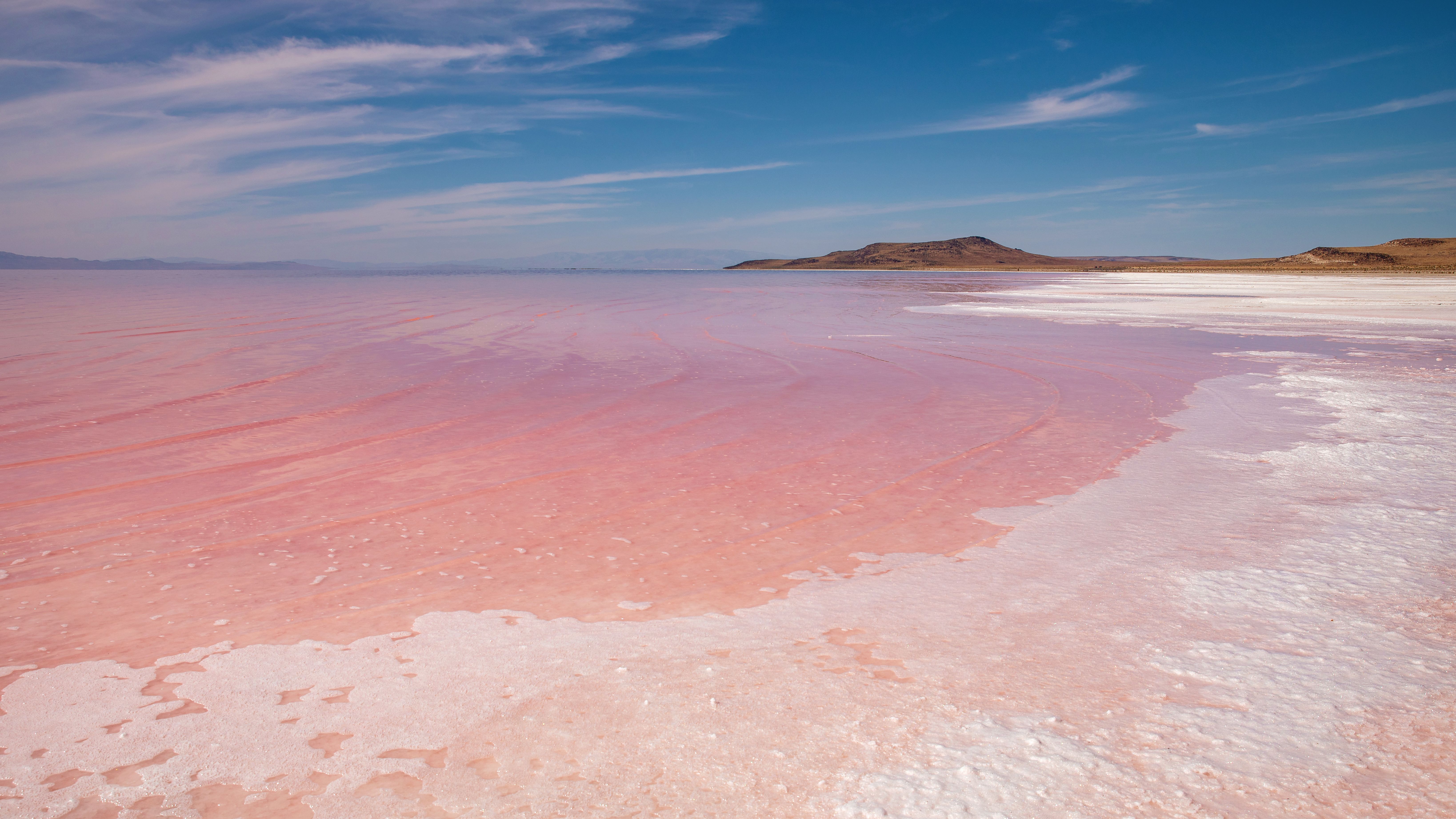
Brine shrimp and mineral extraction depend on the lake. Let it collapse and a billion-dollar economy goes with it.
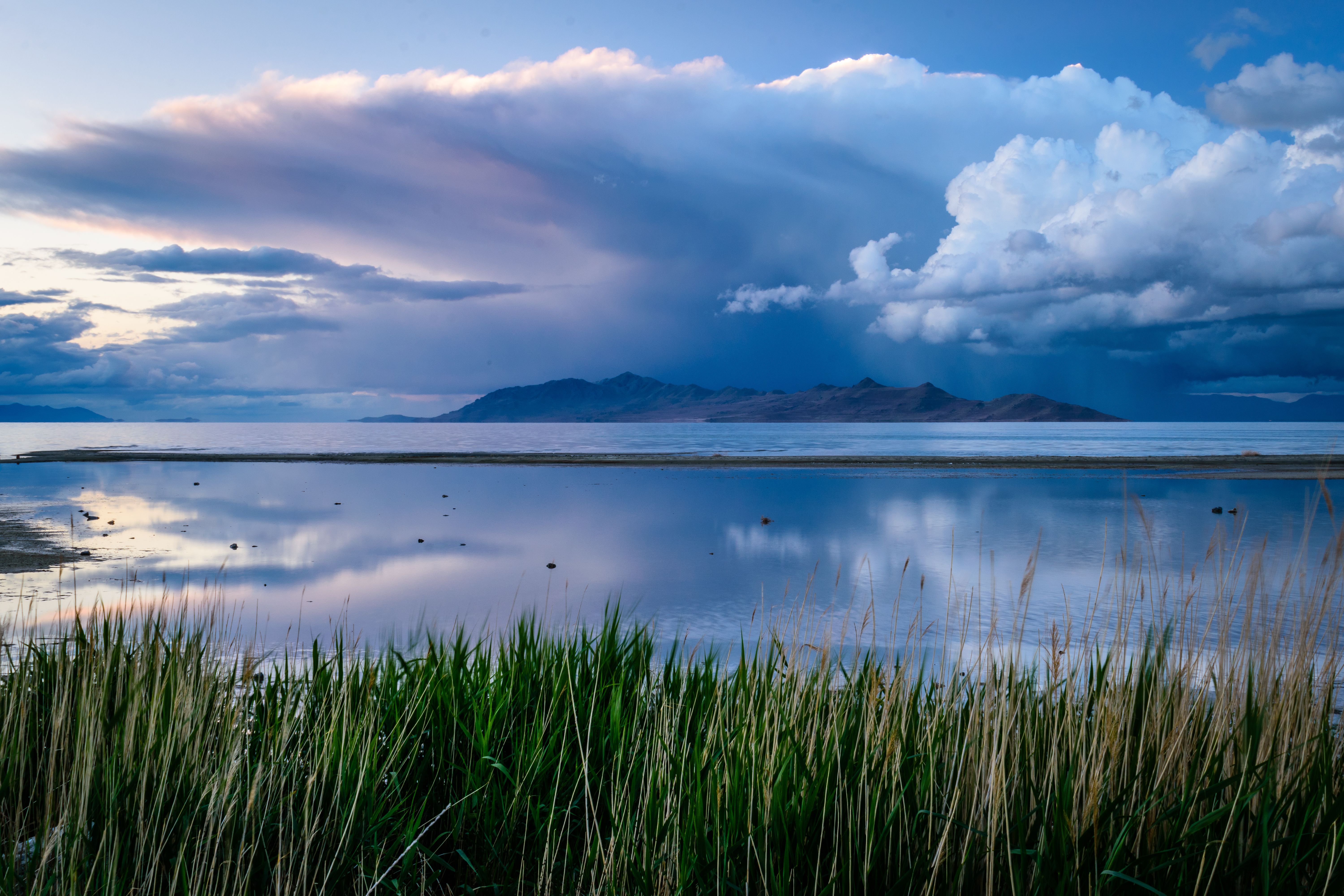
Utah pledged a healthy lake by the 2034 Winter Olympics. The clock is the framing. The petition is the near-term move that keeps the promise real.
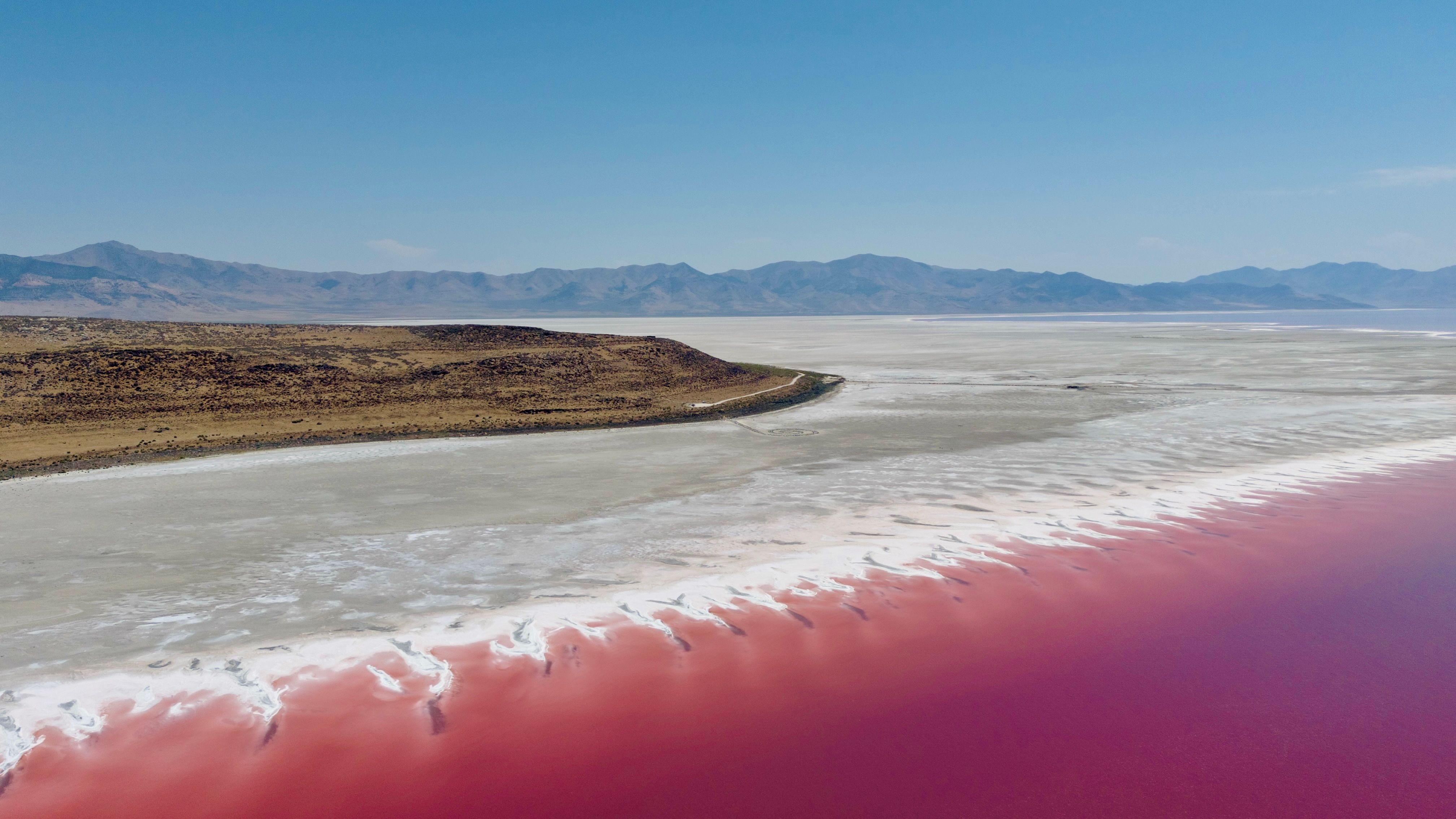
No community has ever restored its inland sea.
As the shoreline recedes, wetlands for millions of migratory birds disappear and shrinking snowpack shortens Utah's ski seasons. If the lake collapses, property values drop, industries falter, and the state faces billions in losses. Utah could be the first to turn it around.
Do it at home
Utah pours roughly 60% of its residential water onto lawns. Signing the petition changes the law; this changes what runs downhill. Pick what you'll actually do and see what a year of it is worth.
Pick what you'll actually do. The number is what those choices are worth over a year — for a household your size, using published figures from EPA WaterSense and Utah water agencies.
Press & media